Punching Bags Meet Interior Design: How to Stylishly Incorporate Sports Equipment Into Your Home
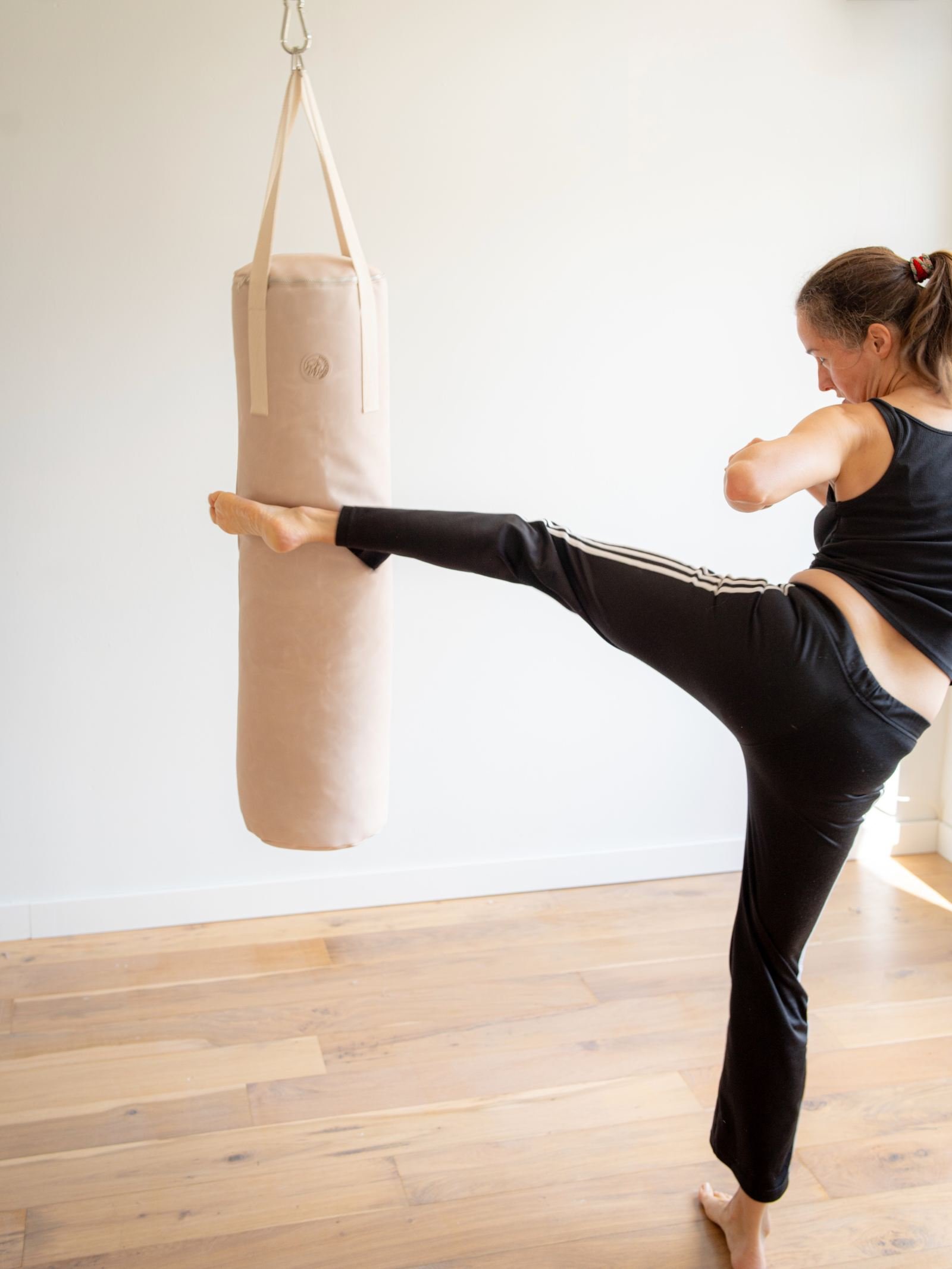
Why does sports equipment always have to look so garish, clunky, and high-tech? Who says working out at home can’t be beautiful, too? At Snekkerbuks, we believe that function can also be aesthetic. A punching bag, in particular, is a powerful object—both visually and physically. And if it’s well-made, it deserves to be on display in the room.
In this article, we'll show you how to incorporate your punching bag into your home in a stylish and functional way —without any DIY stress and without making your living room look like a gym.
Contents:
Why Your Punching Bag Can Stay Visible
Many people are familiar with this: Exercise equipment ends up hidden away in a closet or gathering dust in a corner after just a short time because it simply doesn’t fit into everyday life aesthetically. A beautiful punching bag, on the other hand—made of genuine leather, handcrafted, in subdued colors—is welcome to stay. What’s more, it can be an eye-catcher—an object with presence—a statement of both fitness and style.
If a product is well-made, it doesn't need to be hidden away. It can be a natural part of the room. Especially in natural, serene interiors, a high-quality punching bag looks like a piece of functional furniture.
Better to have a favorite item than a piece of fitness equipment
A leather punching bag has something that many classic pieces of fitness equipment lack: character. Its surface feels warm, its shape is clean, and over time, the material develops a patina all its own. Small signs of wear are part of the experience. They show that this object isn’t just beautiful to look at—it’s actually being used. Just like a wooden table that’s part of everyday life, or a leather armchair that only gets more beautiful with age.
It’s also a matter of attitude: I’d rather have a well-made piece that lasts a long time than constantly buying new things that get replaced after a short while. When the materials, craftsmanship, and functionality all come together, a piece of workout equipment becomes a natural part of your home.
Punching Bag Aesthetics: How to Incorporate Exercise into Your Home
A punching bag makes a strong impression—and that’s exactly what makes it so great. You can intentionally incorporate it into your decor instead of hiding it away. You don’t need a degree in design to do this—just a few simple considerations:
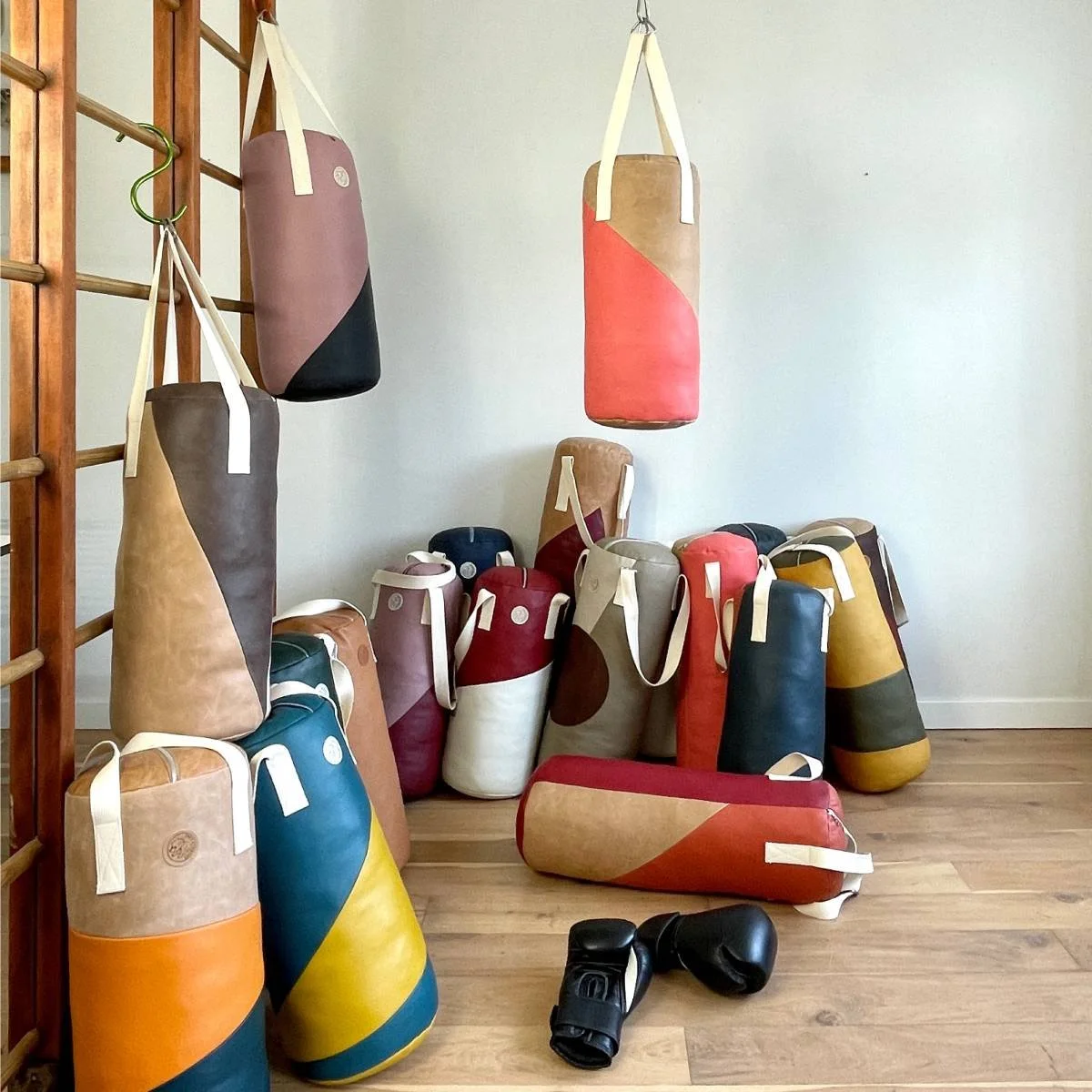
1. Subtle colors: Choose shades that complement your room: natural leather, beige, cognac, olive, or anthracite are timeless and cozy.
2. High-quality materials: Genuine leather ages beautifully, wood feels warm, and linen-look fabrics create a harmonious look. Avoid shiny plastic or neon colors if you want to create a serene space.
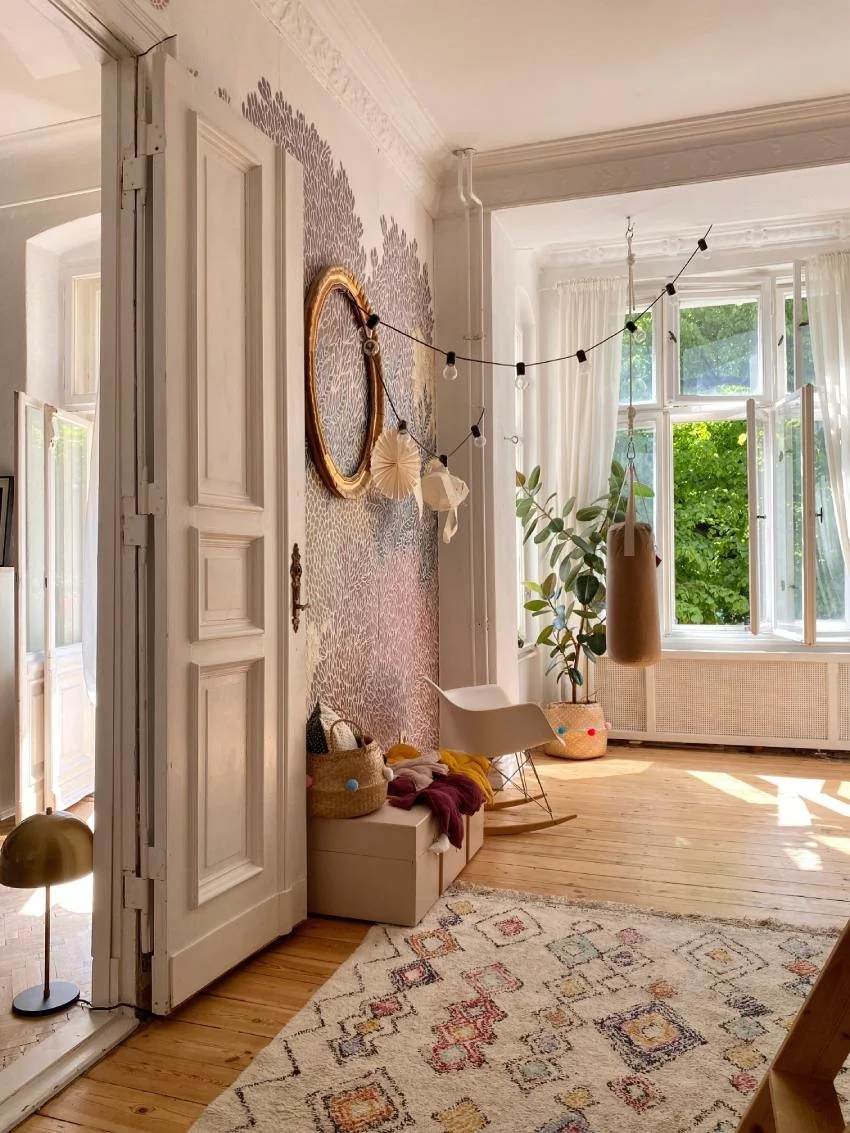
3. Effective Placement: Hang the punching bag where it will be used—but also where it can be seen. It looks especially good next to a plant, near a quiet seating area, or in front of a light-colored wall.
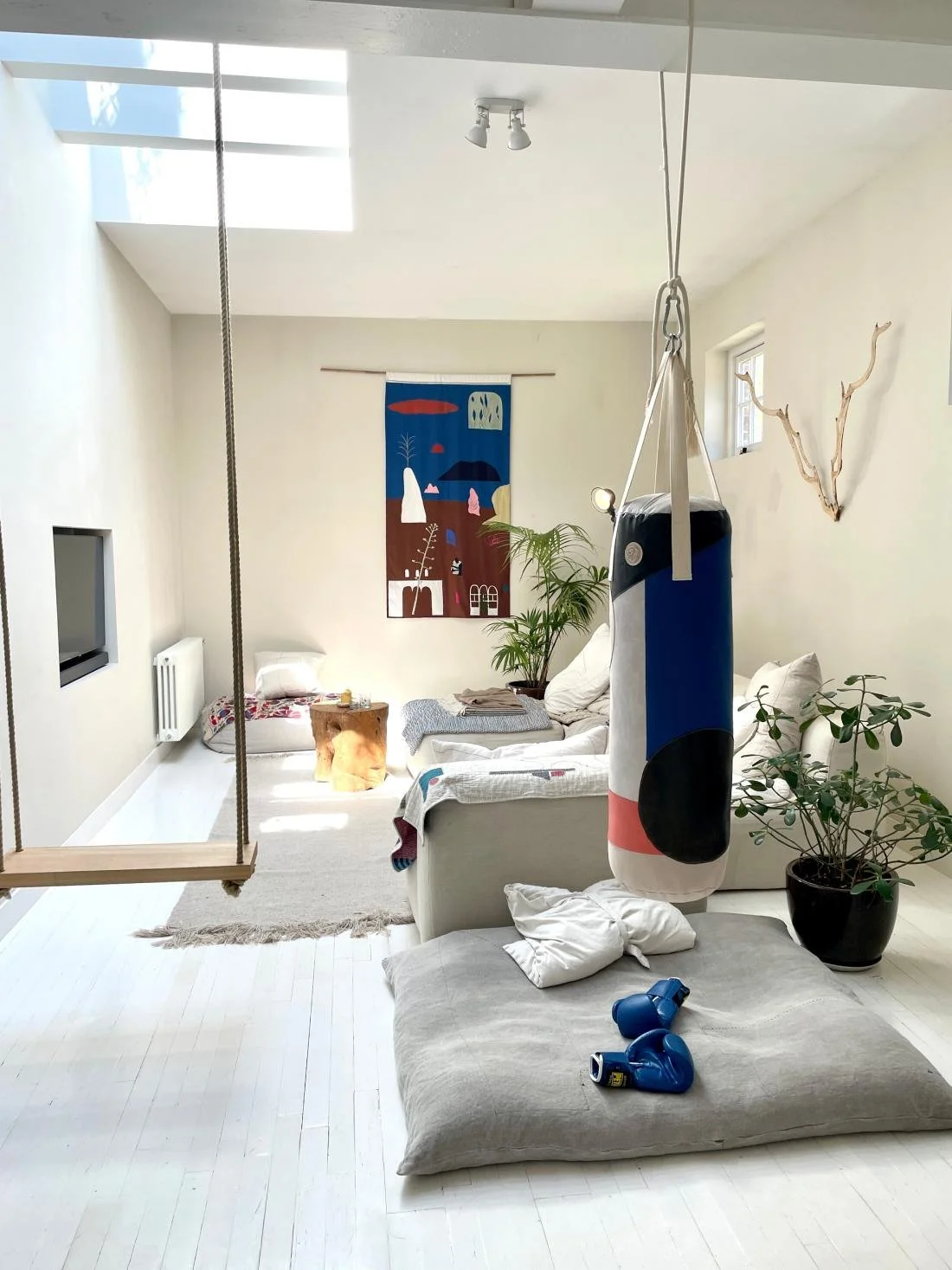
4. Combine with everyday objects: A stool for support, a nice mat on the floor, a subtle wall clock—all of these elements make the corner both functional AND aesthetically pleasing.
What interior design style goes well with a punching bag?
Do you like bright rooms, lots of wood, and natural materials? Then a leather punching bag in cognac or a soft brown can create a beautiful contrast against white walls and linen. In a more minimalist apartment, dark, muted tones work especially well. And if you love vintage furniture, leather goes wonderfully with it anyway—especially when it doesn’t have to look brand-new and perfect.
Don't worry so much about everything being exactly the same color. It often looks better when materials complement each other: leather next to wood, metal next to soft textiles, a round shape next to sharp edges. That way, your punching bag blends into the interior without becoming invisible. It's okay for it to stand out—just in a good way.
Finding the Right Spot—Both Beautiful AND Practical
Before you hang up your punching bag, walk around your room and imagine how you’ll actually use it. Where do you have enough room to move around? Where won’t people be constantly walking by? And where will it not get in the way of doors or furniture? A spot might look great in a photo—but if you can barely take a step to the side there, your workout won’t be much fun.
A punching bag looks especially nice against a plain wall or in a corner that can use a little visual interest. A rug, a simple basket for your gloves, and a plant nearby can make the area feel more inviting. Just make sure that anything lying around is far enough away when you’re training. After all, the corner shouldn’t just look good—it should feel good, too.
Practical Tips for Your Home Gym Setup
You don't need a separate room for your workouts. With these tips, your punching bag will become part of your daily routine:
Wall or ceiling hooks: Choose sturdy, beautifully designed hooks—for example, made of wood or metal in simple shapes.
Freestanding solution: If you don't want to drill holes, you can also use a sturdy frame or build a portable stand.
Think multifunctional: Combine the punching bag with wall bars or gymnastic rings—both look great in your living room when designed right.
Keep things organized: Use baskets or boxes for gloves, jump ropes, and other items—preferably made from natural materials like seagrass or rattan.
Hanging up the punching bag
A hanging punching bag moves during training and puts different stress on its mounting than a light fixture or a decorative object would. That’s why you should check before installing it to make sure the ceiling or wall is suitable and to determine which mounting method is appropriate for the weight and intended use of your punching bag.
Also, make sure to leave enough free space around the punching bag. It should be able to swing without hitting a wall, shelf, or light fixture. Allow about 1.5 m of space between the punching bag and other objects. You can read about the easiest way to hang a punching bag here: Hanging a Punching Bag: Step-by-Step Instructions for Ceiling and Wall Mounting
Setting Up a Home Gym—Even in a Small Space
Not everyone has a spare room just waiting to be used for exercise. And that’s not necessary. A small home gym can consist of just one punching bag. Maybe there’s an unused corner in the home office or a wall in the living room with nothing but a plant in front of it. Often, that’s enough as long as there’s enough space to move around.
For small apartments, it helps to keep everything else simple and flexible. A mat that you roll up after your workout. Gloves in a basket. A timer on your phone instead of another device. That way, your living space remains a living space—and becomes your personal workout spot when you need it.
What You Need—and What You Can Leave Out
The good news: Less is often more. Your minimalist home gym doesn't need much to be effective (and beautiful):
Here's what you'll need:
A high-quality punching bag
A sturdy hook or stand
A mat (ideally in muted tones)
Music or a timer for your sessions
You can leave that out:
Large fleets of equipment
Bright Light
Fitness posters in neon colors
Instead: A few good things that you use regularly—and that enrich your daily life rather than disrupt it.
A punching bag in the kids' room? Why not!
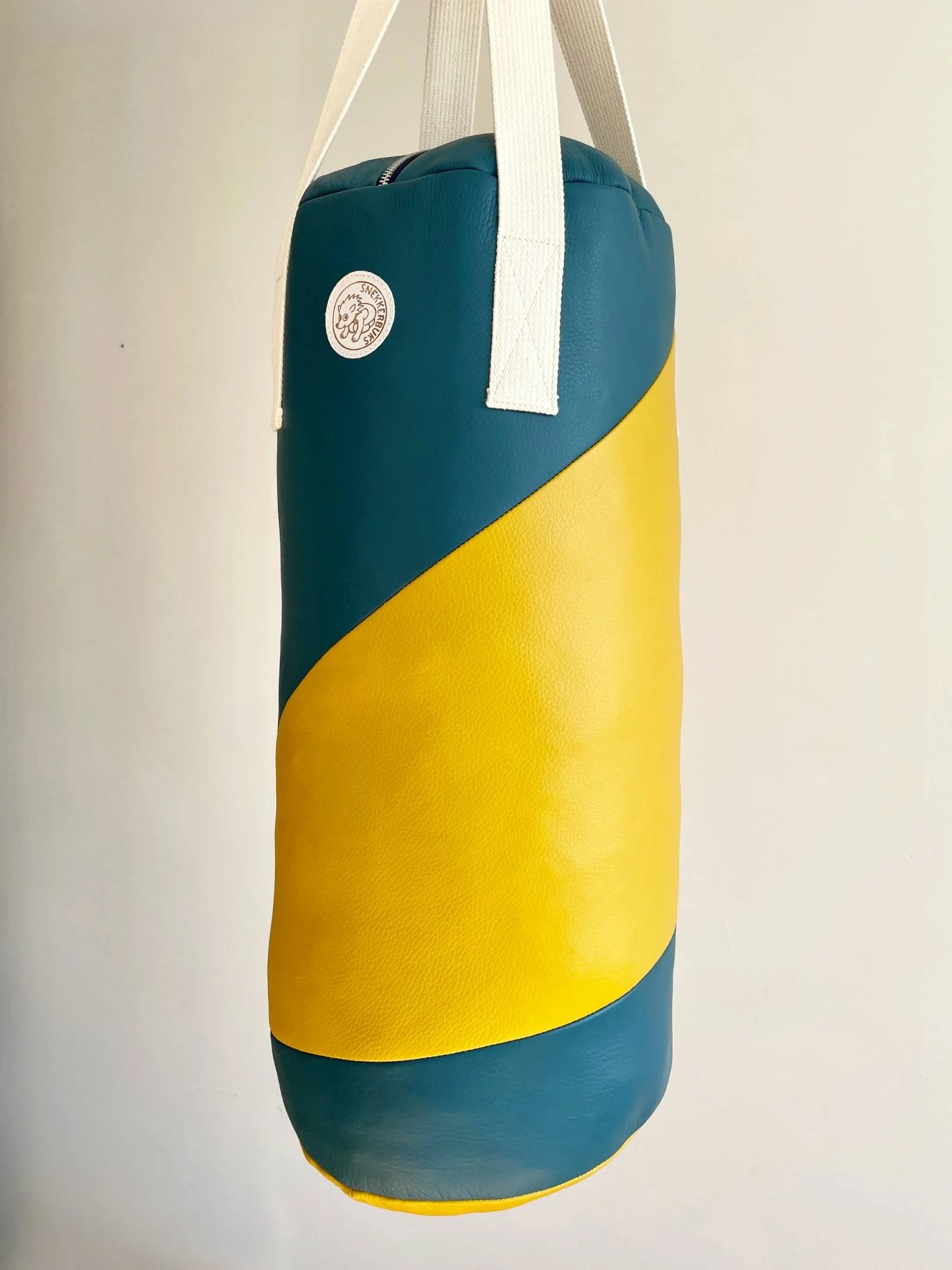
Sports equipment can be beautiful even in a child's room. A kids’ punching bag doesn’t have to be colorful, loud, or made of plastic to be fun. Natural materials and muted colors often fit in perfectly among books, building blocks, and stuffed animals. And the best part: the punching bag isn’t just something to look at. It invites kids to move, experiment, and burn off energy in a playful way.
We have developed special punching bags for children and teenagers .
Beautiful materials stay beautiful—with a little care
If you decide to get a leather punching bag, it’s okay if it shows a little wear and tear. Leather is a natural material. It changes over time, develops a patina, and doesn’t always have to look like it did on the first day. To clean it, simply use a soft, dry, or slightly damp cloth. Avoid harsh cleaning agents and use a leather conditioner every now and then.
Frequently Asked Questions About Home Punching Bags
Does a punching bag really fit in the living room?
Yes—if it's placed thoughtfully. A muted color, high-quality materials, and enough space to work out make all the difference. Then the punching bag isn't just a piece of sports equipment getting in the way, but part of your decor.
Do I need a separate room for my home gym?
No. A secure mounting or a suitable stand and enough room to move around are more important than a separate workout room. Even a well-chosen corner can work.
Can I use a leather punching bag even in a small apartment?
Generally speaking, yes. Before you start, check how much space the punching bag will take up during your workout, how to secure it safely, and whether the noise it makes is appropriate for your living situation. That way, your workout area will remain a pleasant space even in your everyday life.
Can I hang a punching bag in a rental apartment?
You can generally hang up a punching bag in a rented apartment - you don't need any extra permission from the landlord as long as you return the apartment to its original condition later (e.g. seal the wall plug holes properly).
Important:
Especially in old buildings or houses with thin ceilings, check beforehand whether the ceiling or wall can bear the load.
If you want to be on the safe side or the ceiling seems critical, we recommend a free-standing punching bag stand or mounting it on a wall bar.
Bottom line: Exercise that fits your style
A stylish home and staying active don't have to be mutually exclusive. With a high-quality punching bag made of leather and natural materials, along with a well-thought-out layout, your home gym can become an integral part of your living space.
So: Don't put it away. Leave it there. And make it part of your daily life.
Pin your favorite idea—and bring some movement into your home.